

Overview of Google Breach Incident
Summary of the Incident
In June, Google discovered a breach in its Salesforce system, linked to the financially motivated group UNC6040. Attackers used social engineering tactics to gain unauthorized access to sensitive data, mainly basic business information such as names and contact details. Google's Threat Intelligence Group quickly handled the incident by assessing its impact and addressing the breach.
- Data was retrieved within a narrow time frame before access was terminated.
- The breach was primarily limited to publicly available information, glaringly emphasizing the risks posed by inadequate security practices.
Background Information
The incident is a chilling reminder of the evolving tactics employed by cybercriminals. UNC6040 is known for its calculated social engineering strategies, specifically targeting employees—particularly those in IT support roles—during phone interactions. This behavior aligns with a broader trend: attackers increasingly exploit human factors rather than technical vulnerabilities in systems like Salesforce.
- Social engineering has become a prevalent tool, where attackers impersonate credible personnel to establish trust.
- This breach highlights the need for organizations to improve cybersecurity training and protocols so employees can recognize tactics used by cybercriminals.
Organizations can analyze incidents like this to create stronger security frameworks and align their practices with industry standards to reduce risks effectively.

Evolution of UNC6040 Threat Group
UNC6040 Activities and Tactics
The UNC6040 threat group has evolved significantly in its approach to cybercrime, focusing primarily on compromising organizations' Salesforce instances. Initially, this group relied on the widely used Salesforce Data Loader application for data exfiltration. However, they have since transitioned to utilizing custom Python applications. This evolution has enabled them to automate data collection post-initial contact, complicating attribution and detection efforts.
- Voice Phishing (Vishing): The group predominantly employs voice phishing tactics to deceive employees, particularly in IT. By impersonating credible personnel during phone calls, they manipulate victims into granting access or sharing sensitive credentials.
- Connected Apps: A critical tactic involves convincing victims to authorize malicious connected apps on Salesforce, enabling access to sensitive data. These apps are often disguised as legitimate tools, capitalizing on human trust.
The successful execution of these tactics has established UNC6040 as a formidable threat in the cyber landscape.
UNC6240 Extortion Operations
After conducting their data theft operations, UNC6040 has shifted gears to extortion under the alias UNC6240. This phase can occur months after the initial breach, showcasing the group's sophisticated strategy.
- Demanding Ransom: UNC6240 reaches out to victims via calls or emails, demanding payment in Bitcoin within a 72-hour window. The group frequently asserts a connection to the infamous ShinyHunters, thereby intensifying the pressure on their victims.n their victims.
- UNC6240 may increase its extortion tactics by creating a data leak site to expose sensitive information and pressure victims into paying ransom.
The combination of data theft and extortion highlights the need for strong organizational security measures to combat these emerging threats. By understanding the operational methods of groups like UNC6040 and UNC6240, organizations can better prepare and fortify their defenses.

Modus Operandi of Voice Phishing Attacks
Techniques Used in Voice Phishing
Voice phishing, or "vishing," has become a prevalent attack vector for groups like UNC6040. The techniques employed are increasingly sophisticated, relying heavily on social engineering to manipulate victims.
- Impersonation: Attackers frequently impersonate trusted personnel, such as IT support staff, to gain confidence from the victims. This familiarity creates a false sense of security that they can exploit.
- Misdirection: Malicious actors often lead victims to websites that collect sensitive information, convincing them to enter their credentials or authorize harmful applications.
- Emotion Manipulation: Scenarios are crafted to evoke urgency or fear—such as claiming an immediate threat to the organization—prompting victims to act without critical thought.
For example, a victim might receive a phone call instructing them to authorize a connected app, possibly a modified version of Salesforce's Data Loader, by claiming it's for routine maintenance or an urgent software update.
Impact and Implications of Voice Phishing
The repercussions of successful voice phishing attacks can be severe. Organizations face multifaceted threats, including:
- Data Breaches: Sensitive information, including user credentials and client data, can be exfiltrated, leading to reputational and financial harm.
- Extortion: Subsequent demands for ransom can proliferate, as seen with UNC6240's operations, where stolen data is leveraged for financial gain.
- Long-term Damage: The impact often extends beyond immediate financial concerns, eroding customer trust and complicating compliance with regulatory frameworks.
The recent incidents involving UNC6040 clearly demonstrate the critical importance of effective mitigation strategies. Organizations must focus on employee training, strong IT protocols, and thorough security measures to protect sensitive data from malicious tactics. Understanding the modus operandi of voice phishing is crucial in building a resilient defense against this evolving threat.
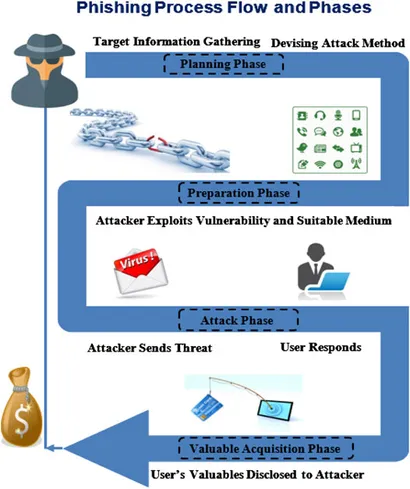
Data Exfiltration Techniques
Abuse of Data Loader Application
The UNC6040 threat group primarily uses Salesforce's Data Loader application to exfiltrate data. This tool is widely used for importing, exporting, and managing large volumes of data within Salesforce.
The attackers cleverly exploit the system by persuading victims to approve a modified version of the Data Loader through voice phishing calls. This tactic works as follows:
- Deceptive Authorization: The threat actor instructs the victim to navigate to Salesforce’s connected app setup and enter a connection code, effectively linking the compromised application to the Salesforce environment.
- Automated Data Extraction: Once access is granted, UNC6040 can execute extensive data queries, enabling them to siphon off vast amounts of sensitive information swiftly.
This method highlights the importance of understanding legitimate app usage and how easily trust can be manipulated.
Modified Versions of Data Loader
Attackers not only use legitimate tools but also modified versions of the Data Loader to strengthen their campaigns.
For instance:
- Customization for Concealment: These versions may carry benign names, such as "My Ticket Portal," which align with their social engineering narratives, making them appear legitimate.
- Variation in Exfiltration Techniques: Attackers adapt their query strategies based on the organization's security posture. Smaller data chunks may be taken first to dodge detection, followed by larger exports once they've confirmed they are hidden.
This adaptation highlights the importance for organizations to secure their systems against known vulnerabilities and stay alert to the misuse of legitimate tools in harmful ways. By understanding these tactics, organizations can better prepare their defenses.
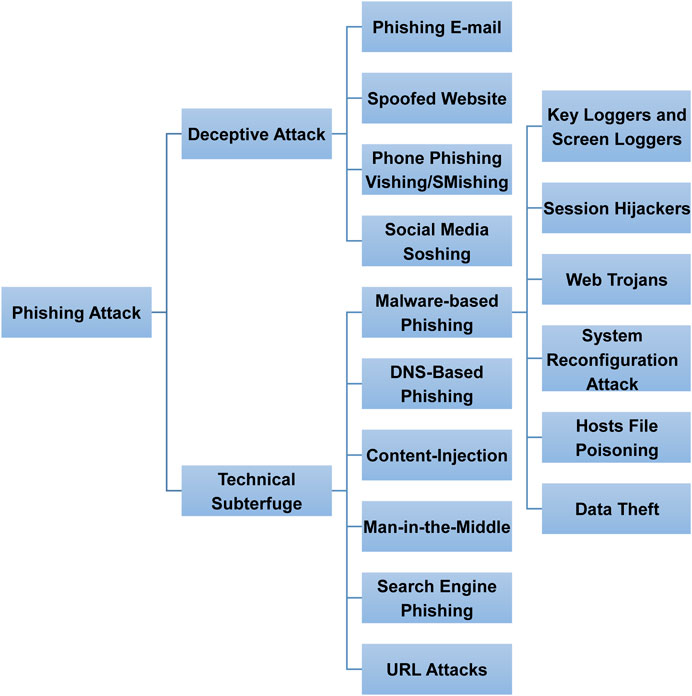
Extortion and Monetization Strategies
UNC6040's Extortion Methods
Once UNC6040 successfully exfiltrates sensitive data, they swiftly transition to extortion tactics under the alias UNC6240. This phase can commence several months after the initial breach, highlighting their methodical approach to cybercrime.
- Threatening Communications: Victims usually receive calls or emails demanding payment in Bitcoin within a short timeframe, often 72 hours. These communications are crafted to instill fear and urgency, ensuring that victims feel pressured to comply.
- Claiming Affiliation with Notorious Groups: UNC6240 often claims to represent the infamous hacking group ShinyHunters, amplifying intimidation tactics. By leveraging this association, they aim to exert additional psychological pressure on their victims to meet ransom demands.
These extortion methods go beyond financial gain; they take advantage of the emotional stress breaches cause, leading organizations to make poor decisions under pressure.
Link to ShinyHunters and The Com
The connection between UNC6040, UNC6240, and ShinyHunters is not merely rhetorical. Observations indicate that these groups may be linked to a broader collective known as "The Com."
- Operational Overlap: Similar tactics and procedures, such as social engineering and targeting specific credentials, have been observed across these groups.
- Collaborative Exploitation: It’s likely that UNC6040 has partnered with other actors in their community, allowing them to monetize stolen data effectively.
This collaborative approach emphasizes that organizations must stay alert to both individual threats and the interconnectedness of cybercriminal networks. By understanding these dynamics, businesses can better prepare for potential attacks and strengthen their defenses against these sophisticated operations.

Mitigations and Risk Management
Recommendations for Organizations
Organizations need to proactively enhance their cybersecurity in response to the changing tactics used by threat actors like UNC6040 and UNC6240. Here are some tailored recommendations:
- Conduct Regular Security Audits: Regularly assess your security protocols to ensure they are robust against current threats. This includes auditing permissions and access rights to critical systems.
- Enhance Employee Training: Provide ongoing training for employees to recognize social engineering tactics, especially voice phishing. Familiarizing them with these tactics can significantly minimize the chance of manipulation.
- Establish Incident Response Plans: Develop and regularly update incident response plans that outline steps to take when detecting suspicious activity. This preparation can significantly reduce response times and potential damages.
Best Practices for Cloud Security
For organizations utilizing cloud environments like Salesforce, implementing stringent cloud security measures is essential:
- Adhere to the Principle of Least Privilege: Ensure that users have only the permissions they need for their roles. This minimizes the risk of unauthorized data access.
- Employ Multi-Factor Authentication (MFA): MFA adds an additional layer of security, making it more difficult for attackers to gain unauthorized access to accounts, even if they have obtained login credentials.
- Monitor Cloud Activity: Utilize tools like Salesforce Shield to track data access patterns and account activities. This not only aids in detecting anomalies but also helps in investigating instances of potential breaches.
Implementing these strategies helps organizations enhance their defenses against various cybersecurity threats and maintain a robust security posture amid rising risks. Regularly revisiting and updating these practices will help in adapting to the evolving landscape of cyber threats.
Conclusion and Future Outlook
Key Takeaways from the Incident
The activities surrounding the UNC6040 and UNC6240 threat groups provide crucial insights into the evolving nature of cyber threats. Here are some key takeaways:
- Human Targeting: Cybercriminals increasingly focus on manipulating human behavior rather than exploiting system vulnerabilities. As demonstrated by UNC6040, impersonating trusted personnel can yield significant access to sensitive information.
- Tool Misuse: The exploitation of legitimate applications like Salesforce’s Data Loader illustrates how attackers can repurpose trusted tools for malicious ends. Awareness of such tactics is vital for organizations.
- Long-term Threats: The delay between initial breaches and subsequent extortion efforts highlights the need for ongoing vigilance and robust cybersecurity measures to detect intrusions early.
Predictions for Future Threat Landscape
Looking ahead, the threat landscape is likely to continue evolving with increasing sophistication:
- Rise in Voice Phishing: As more organizations adapt to remote work environments, phone-based social engineering attacks will likely proliferate, targeting employees who may be less vigilant outside of traditional office settings.
- Emergence of Data Leak Sites: As seen with the possible escalation to data leak sites, attackers may resort to more aggressive tactics to pressure victims, leading to broader public exposure of stolen data.
- Collaborative Cybercrime: The interconnectedness of cybercriminal networks will likely facilitate more coordinated and effective operations among threat actors, necessitating a collaborative approach to cybersecurity among organizations.
Organizations can better navigate the changing cybersecurity landscape and protect against future threats by staying informed about trends and implementing proactive security measures.