Introduction
Overview of Customer Success
Customer success has evolved into a cornerstone of sustainable business growth. It’s not just about meeting customer needs; it’s about helping them achieve their desired outcomes with your product or service. Imagine a software company that not only sells a solution but also provides continuous support, helping customers maximize its benefits. This proactive approach fosters loyalty and turns one-time buyers into lifelong advocates.
Significance of NPS, CSAT, and CES
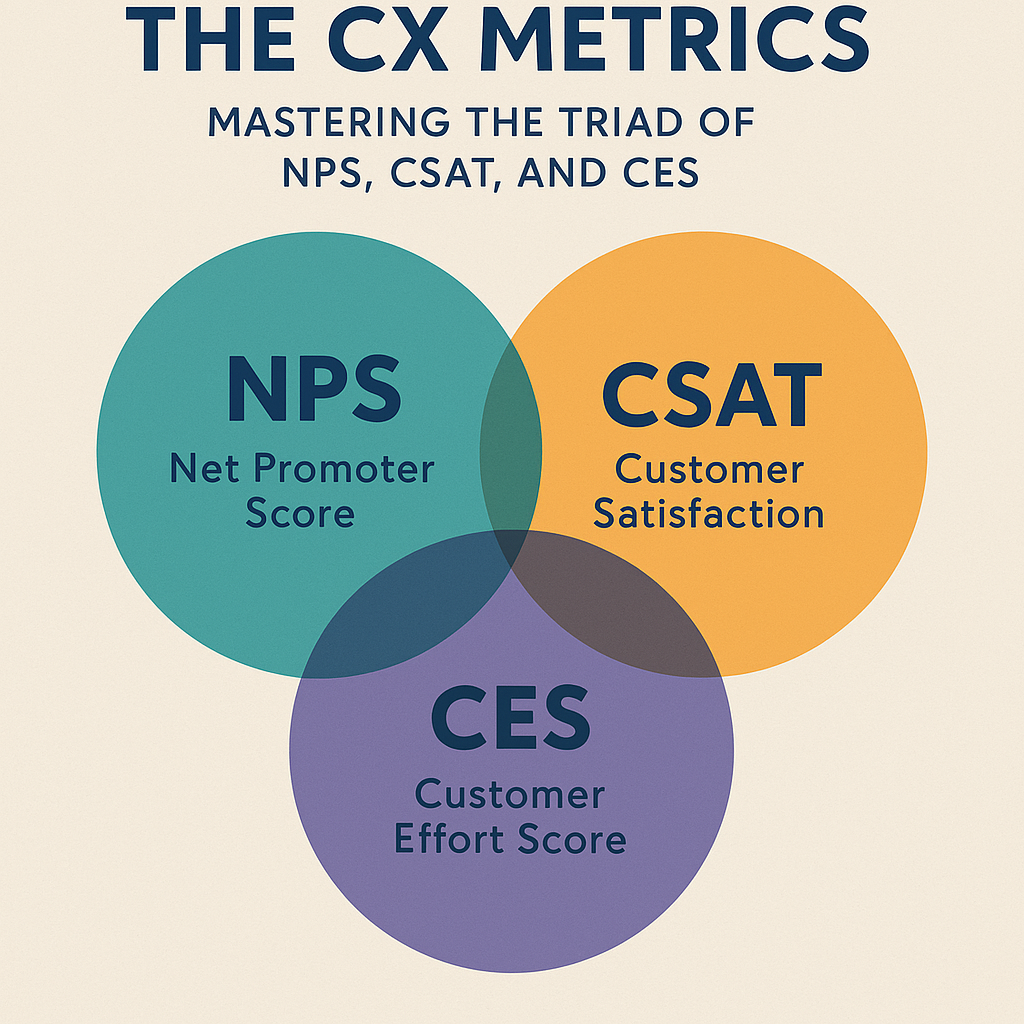
Businesses use key metrics—NPS (Net Promoter Score), CSAT (Customer Satisfaction), and CES (Customer Effort Score)—to measure customer success. Each of these metrics serves a unique purpose in the customer experience landscape:
- NPS measures customer loyalty and predicts future business growth.
- CSAT assesses customer satisfaction at specific touchpoints, offering immediate feedback.
- CES evaluates the ease of customer interactions, indicating how simple or complex their experience is.
These metrics collectively provide insights that are crucial for driving improvements, enhancing customer satisfaction, and ensuring long-term success. Understanding and implementing them can transform customer interactions from transactional to genuinely fulfilling.
Understanding NPS, CSAT, and CES
Definition and Purpose of NPS
The Net Promoter Score (NPS) measures customer loyalty and the likelihood of recommending your company. It simply asks customers, “On a scale from 0 to 10, how likely are you to recommend us?” This single question provides a wealth of insight into customer sentiment.
- Purpose of NPS:
- Recognizing loyal customers (Promoters).
- Spotting those at risk of churn (Detractors).
- Gauging overall customer satisfaction and future growth prospects.
Importance of CSAT in Customer Success
Customer Satisfaction (CSAT) is another vital metric that reflects how well a product or service meets customers’ expectations. Often measured through post-interaction surveys, CSAT can quickly reveal areas that need improvement.
- Key Aspects of CSAT:
- Provides immediate feedback after customer interactions.
- Helps in optimizing specific products or services.
- Informs teams of customer experiences at various touchpoints.
Role of CES in Enhancing Customer Experience
The Customer Effort Score (CES) focuses on the ease of experience a customer has when interacting with a company. It usually assesses how simple and straightforward it is for customers to resolve their issues.
- CES Benefits:
- Identifies key friction points throughout the customer journey.
- Encourages organizations to reduce complexity.
- Directly correlates with customer loyalty and repeat business.
Understanding these metrics allows companies to refine their strategies, enhancing customer interactions and ensuring long-term success.
Implementing NPS Strategies
Collecting and Analyzing NPS Data
Once you understand the importance of NPS, the next step is to gather actionable data. Effective collection typically involves scheduling surveys at pivotal moments, such as after a purchase or following customer support interactions. This targeted approach yields more accurate responses.
- Methods for Collecting NPS Data:
- Conduct email surveys after important interactions.
- In-app prompts for seamless feedback.
- Regular cadence to monitor changes over time.
Analyzing this data is essential. Consider segmenting responses by customer demographics to identify trends and patterns unique to different groups.
Using NPS Feedback for Improvement
Receiving NPS feedback is just the beginning; the real work lies in taking action. If detractors mention long wait times, improving customer support processes can lead to positive changes.
- Action Steps:
- Regularly review and discuss feedback with relevant teams.
- Develop targeted action plans based on common themes.
Benchmarking NPS Scores
To maximize the effectiveness of NPS, businesses should benchmark their scores against industry standards or competitors. This practice helps in gauging performance and understanding where enhancements are necessary.
- Benchmarking Strategy:
- Explore industry reports for average NPS scores.
- Establish achievable goals by conducting a thorough analysis of your competitors.
Organizations can utilize NPS not only as a measurement tool but also as a foundation for ongoing improvement, resulting in increased customer loyalty and satisfaction.
Enhancing Customer Satisfaction with CSAT
Designing Effective CSAT Surveys
Creating effective Customer Satisfaction (CSAT) surveys is crucial for gaining meaningful insights. The key is to keep the survey concise and focused. Typically, asking 3-5 targeted questions can provide the depth needed without overwhelming the respondent.
- Elements of an Effective CSAT Survey:
- Use a simple rating scale (e.g., 1-5 or 1-10).
- Include open-ended questions for qualitative feedback.
- Ensure questions are clear and free from jargon.
By framing questions around specific interactions—like product delivery or customer support—you can gather more actionable data.
Analyzing and Acting on CSAT Responses
Once data is collected, the next step is analysis. Dive deep into the responses, looking not just at scores but also at comments for patterns.
- Actionable Insights:
- Identify recurring issues and prioritize them.
- Highlight and celebrate the areas where customers demonstrate exceptional satisfaction to reinforce and promote those successful practices.
If many customers praise quick service, it’s important to publicly acknowledge and reward the team responsible.
Integrating CSAT into Customer Service Processes
CSAT should not be a one-time measurement; instead, it should be woven into ongoing customer service processes. Regularly review CSAT scores during team meetings to keep customer feedback front and center.
- Integration Tips:
- Share feedback with all departments to create a holistic view of customer satisfaction.
- Use insights to train staff, ensuring they understand common customer pain points.
This proactive approach can lead to consistent improvements, fostering a culture that prioritizes customer satisfaction and loyalty.
Optimizing Customer Experience with CES
Understanding CES Metrics
The Customer Effort Score (CES) measures how easy it is for customers to interact with your brand, aiming to minimize friction and improve their experience. This metric is obtained by asking customers, “How easy was it to resolve your issue?” on a scale of, say, 1-7.
- Key Aspects of CES Metrics:
- Measures the simplicity of the customer journey.
- Helps identify pain points where customers may struggle.
- Often correlates with customer loyalty—simplifying processes can lead to happy, returning customers.
Understanding these metrics allows companies to pinpoint areas needing improvement.
Implementing CES Surveys
To effectively gather CES insights, it’s essential to implement surveys at key touchpoints. After a support call or when a customer completes a purchase, are ideal moments.
- Best Practices for CES Surveys:
- Keep surveys short—one question is often sufficient.
- Use follow-up questions for deeper insights, particularly for low scores.
By prioritizing survey completion, businesses can rapidly gather feedback that fuels enhancements.
Applying CES Insights for Customer Delight
Interpreting CES data is just the beginning; the real magic happens when you apply these insights. For example, if customers frequently report difficulty in navigating a website, streamlining that design can enhance user experience.
- Application Strategies:
- Consistently analyze CES data during team meetings to refine and enhance strategies.
- Implement quick fixes and track their impact on CES scores to see real-time improvements.
By proactively addressing customer concerns and reducing effort, businesses can create delightful experiences that inspire customer loyalty and brand advocacy.
Leveraging NPS, CSAT, and CES for Customer Success
Combining Insights from NPS, CSAT, and CES
Integrating insights from NPS, CSAT, and CES provides a comprehensive view of customer sentiment. These metrics together create a powerful narrative about the customer journey. NPS shows overall loyalty, CSAT measures satisfaction during specific interactions, and CES identifies friction points.
- Combining Insights:
- NPS tells you who loves you, CSAT explains why, and CES shows where customers struggle.
- By connecting the dots, you can better understand the complete customer experience.
Creating a Unified Customer Feedback Strategy
Establishing a unified feedback strategy requires consistent interactions with customers across all channels. Create a cohesive framework that encourages feedback at various points in the customer journey.
- Key Components:
- Schedule regular feedback sessions focusing on all three metrics.
- Use a mix of surveys, direct feedback, and social media monitoring.
This ensures that customer voices are heard and valued.
Improving Overall Customer Success Metrics
Once insights are collected, it’s vital to act on them. By aligning initiatives with customer feedback, businesses can refine their strategies to heighten satisfaction.
- Action Steps:
- Identify trends in feedback to prioritize areas for improvement.
- Set specific goals for NPS, CSAT, and CES, and track progress regularly.
By leveraging these metrics in harmony, companies can enhance customer satisfaction, improve retention rates, and ultimately drive business success. This integrated approach transforms customer interactions from routine transactions into meaningful relationships.
Case Studies and Examples
Successful Implementation of NPS in a Company
A great example of NPS in action can be seen with a leading software company, XYZ Tech. Following significant product updates, they initiated an NPS survey to collect valuable user feedback. By actively analyzing their scores, they identified that customers appreciated new features but were frustrated by bugs. This insight drove the company to prioritize bug fixes, leading to a 30% increase in their NPS within six months.
Impact of CSAT on Customer Retention
A striking example can be found in the retail brand Fashion Trends, which introduced a CSAT survey immediately following customer service interactions. They discovered that a significant number of customers were dissatisfied with delivery opt-ins. Responding swiftly, they improved delivery options in response to this feedback. The brand’s customer retention rates increased by 25% over the next year, showing that paying attention to customer feedback is beneficial.
Real-world Application of CES Practices
Lastly, consider Customer Solutions, a tech support service that adopted CES to streamline their processes. Asking customers how easy it was to resolve their inquiries revealed high friction points in their call routing system. By reconfiguring how calls were managed, they minimized wait times and improved efficiency significantly. This reduced customer effort and significantly increased satisfaction scores, demonstrating the real impact of CES practices.
Challenges and Solutions in Implementing NPS, CSAT, and CES
Common Issues Faced
Implementing NPS, CSAT, and CES can come with its share of challenges. One common issue is low response rates, as many customers may be uninterested in providing feedback. Another hurdle involves interpreting the data accurately; without proper context, companies may misinterpret what the scores signify. Additionally, integrating these metrics into existing workflows can be cumbersome, leading to data silos, inconsistent practices, and missed opportunities.
- Other challenges include:
- There is a significant misalignment among departments regarding customer feedback objectives.
- Difficulty in translating insights into actionable strategies.
Strategies to Overcome Implementation Challenges
Fortunately, there are effective strategies to tackle these issues. To improve response rates, consider incentivizing feedback through discounts or loyalty points. Also, ensure that surveys are short and convenient, enhancing the likelihood of participation.
- Other practical solutions:
- Use data visualization tools to make insights clearer and more actionable.
- Foster a culture of customer-centricity by engaging all teams in feedback discussions.
Organizations can effectively improve customer experience and satisfaction by addressing challenges and implementing strategic solutions for NPS, CSAT, and CES.
Conclusion
Recap of the Importance of NPS, CSAT, and CES
As we’ve discussed, NPS, CSAT, and CES are indispensable tools for gauging customer sentiment and enhancing overall customer experience. NPS shows customer loyalty and potential support, CSAT measures satisfaction during specific interactions, and CES indicates the effort needed for customers to engage with your brand. Together, these metrics create a well-rounded view of customer feedback that is crucial for informed decision-making.
- Key Benefits:
- Identifying areas for improvement.
- Strengthening customer relationships.
- Accelerating revenue growth by strengthening customer loyalty.
Key Takeaways for Achieving Customer Success
To truly excel in customer success, organizations should focus on a holistic approach to feedback. Here are some key takeaways:
- Continuously collect and analyze feedback across all three metrics.
- Foster a culture where feedback is valued and acted upon.
- Align team objectives with customer sentiment to create a unified strategy.
Utilizing NPS, CSAT, and CES can enhance customer satisfaction and drive long-term success in a competitive market. Building strong relationships through customer feedback is the key to long-term growth.
For More Information
Check out my AI-generated podcast here: